The Words We Carry: How Bullying, Body Image and Belonging Shape the Way We See Ourselves
It’s interesting how we can forget hundreds of compliments, yet remember one hurtful comment someone made years ago.
Sometimes it’s something said at school.
Sometimes it’s a comment about our body.
Sometimes it’s a joke someone else forgot the very next day.
But for the person hearing it, those words can linger. They can resurface years later during moments of self-doubt, grief, or vulnerability. They become the voice that questions our worth, our appearance, or whether we’re enough.
As a recovery coach, I’ve had the privilege of walking alongside many people on their recovery journey. While every person’s story is unique, one thing I’ve noticed time and time again is that the way we see ourselves is rarely formed by one single experience. Rather, it’s shaped by countless moments, relationships, environments, and messages we’ve absorbed throughout our lives.
Some of those messages become the foundation of our confidence.
Others become the stories we spend years trying to rewrite.
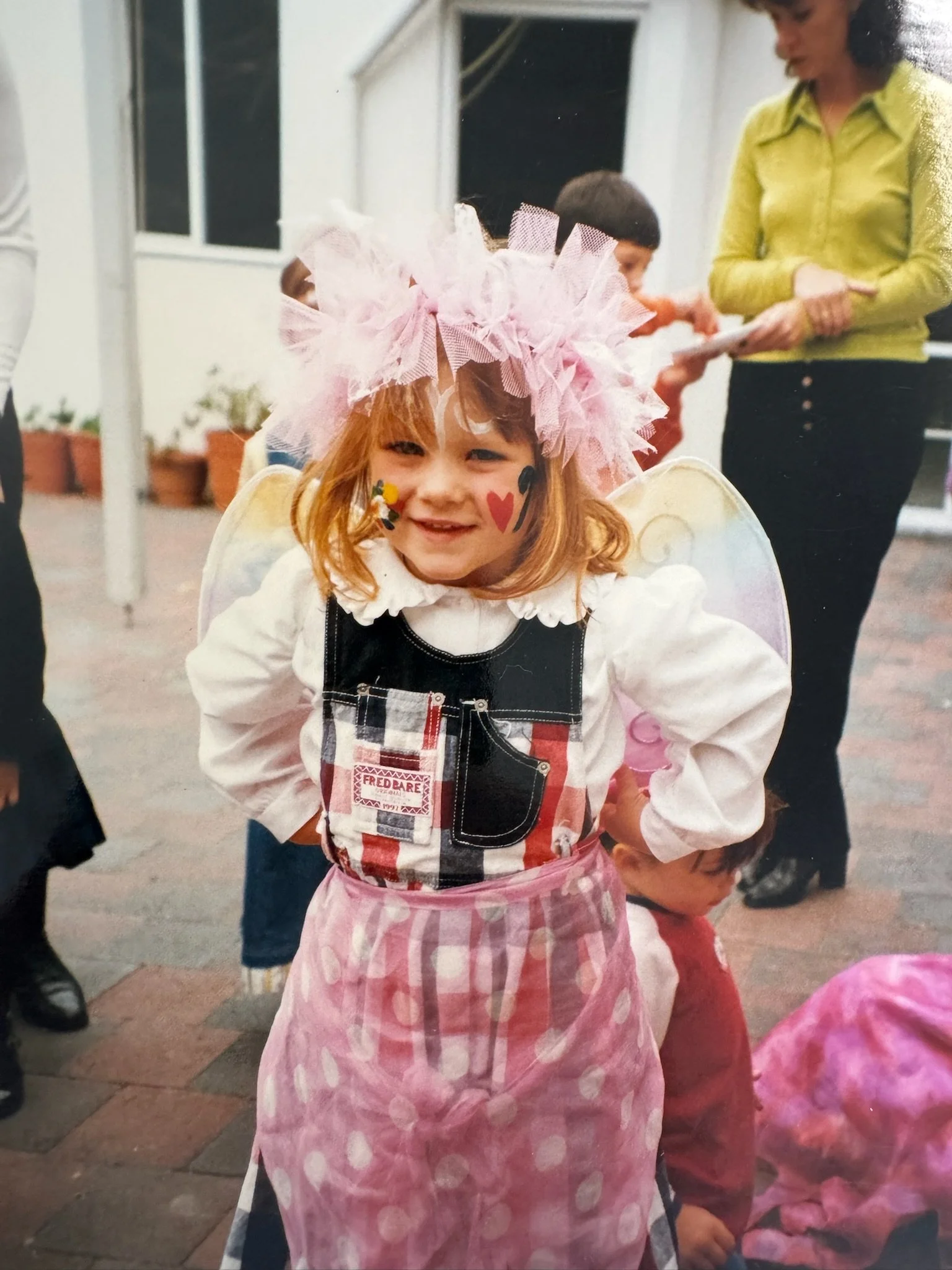
When I was growing up, I remember hearing plenty of comments about my appearance.
I breathed loudly, so I was called “Darthy”(Darth Vader). I had bright red hair, so people called me “Ranga”. My jaw became “rock face”. I was taller than many of the people around me, and I constantly felt like I stood out in ways I never wanted to.
Individually, they might have seemed like harmless jokes. But when you’re an incredibly sensitive child, you don’t hear them just once. You carry them with you.
I remember wishing I could be smaller. Not because I hated my body, but because I wanted to disappear. To blend in. To stop feeling so visible.
As children, fitting in often feels like safety. So my growing mind slowly translated those experiences into something much bigger:
Maybe who I am is wrong.
Maybe the way I look isn’t okay.
But as a child, they felt real.
More Than Just Words
Bullying is often spoken about as something that happens in childhood or adolescence, but its impact can extend far beyond those years.
As recovery coaches, we hear stories every day about how a single comment, years earlier, can still influence the way someone sees themselves. Sadly, those stories are reflected in the research. Butterfly Foundation’s latest findings remind us that appearance-based teasing and body image concerns are far more common than many people realise.
Their 2024 BodyKind Youth Survey found that 78.5% of young people had experienced appearance-related teasing or negative comments about their appearance, with those experiences occurring most often at school, at home and on social media. The same survey also found that more than 90% of young people reported some level of concern about their body image, with 2 in 5 describing themselves as very or extremely concerned.
Butterfly’s wider Community Insights Research paints a similar picture, finding that 57% of Australians reported having experienced negative comments about their appearance, a recognised risk factor for body image concerns.
These statistics aren’t shared to create fear.
They’re a reminder that words matter.
The way we speak to one another, the environments we create, and the way we respond when someone is hurting can have a profound impact on a person’s wellbeing.
The Stories We Begin to Believe
One of the hardest things about hurtful words is that, over time, they stop sounding like someone else’s opinion and begin to feel like our own truth.
Whether those messages came through teasing, exclusion, comparison or subtle comments, they can slowly become the stories we tell ourselves.
“I’m not good enough.”
“I don’t belong.”
“If I change myself, maybe I’ll finally be accepted.”
These beliefs can shape the way we move through the world, influencing our confidence, our relationships, our body image, and even the ways we cope with emotional pain.
One of the most meaningful parts of recovery is learning to question those stories with compassion. Not to dismiss what happened or pretend those experiences didn’t hurt, but to gently ask whether those beliefs are truly ours to keep.
The Way We See Ourselves
The way we see ourselves isn’t shaped by one conversation or one experience.
It’s influenced by our families, friendships, school environments, culture, sport, social media, and the messages we receive about what is considered acceptable or worthy.
Bullying may become one part of that story.
Every person’s experience is unique, which is why no two recovery journeys ever look exactly the same.
Many people struggle with body image in silence. In fact, Butterfly Foundation’s research found that more than 7 in 10 young people reported that they rarely or never speak to someone when they’re not feeling good about their body or appearance.
Shame often tells us to keep these struggles to ourselves. Sometimes we don’t yet have the language to explain what we’re feeling. Sometimes we’re afraid people won’t understand. And sometimes we’re still trying to make sense of those feelings ourselves.
Whatever the reason, no one should feel they have to carry those experiences alone.
Through my own recovery journey, I’ve come to understand that recovery isn’t about changing your body until you finally feel worthy.
It’s about the inner work of questioning the beliefs you’ve carried for years, beliefs that taught you your worth depended on your appearance, your weight, or how others perceived you.
That work isn’t easy. It asks for patience, courage and compassion.
But it is some of the most meaningful work we’ll ever do.
Becoming Someone Safe
One of the most powerful things we can offer another person isn’t advice.
It’s safety.
If someone trusts you enough to share that they’re being bullied, struggling with body image, or finding life overwhelming, resist the urge to immediately solve the problem.
Instead, listen. Believe them. Thank them for trusting you, and remind them that they don’t have to carry what they’re experiencing alone.
Sometimes we worry that we need to have all the right answers.
But what people often remember isn’t the perfect thing someone said.
It’s how safe they felt being heard.
Creating spaces where people feel accepted, believed and supported can make an enormous difference. Sometimes the greatest gift we can offer isn’t a solution, it’s helping someone feel less alone.
If You’re Carrying Someone Else’s Words
Maybe you’re reading this and you can still remember a comment someone made years ago.
Maybe you’ve spent years believing something about yourself that was never true to begin with.
Maybe you’ve been carrying words that were never yours to carry.
If that’s you, I want you to know this.
The experiences you’ve had may help explain how you see yourself today, but they do not define who you are.
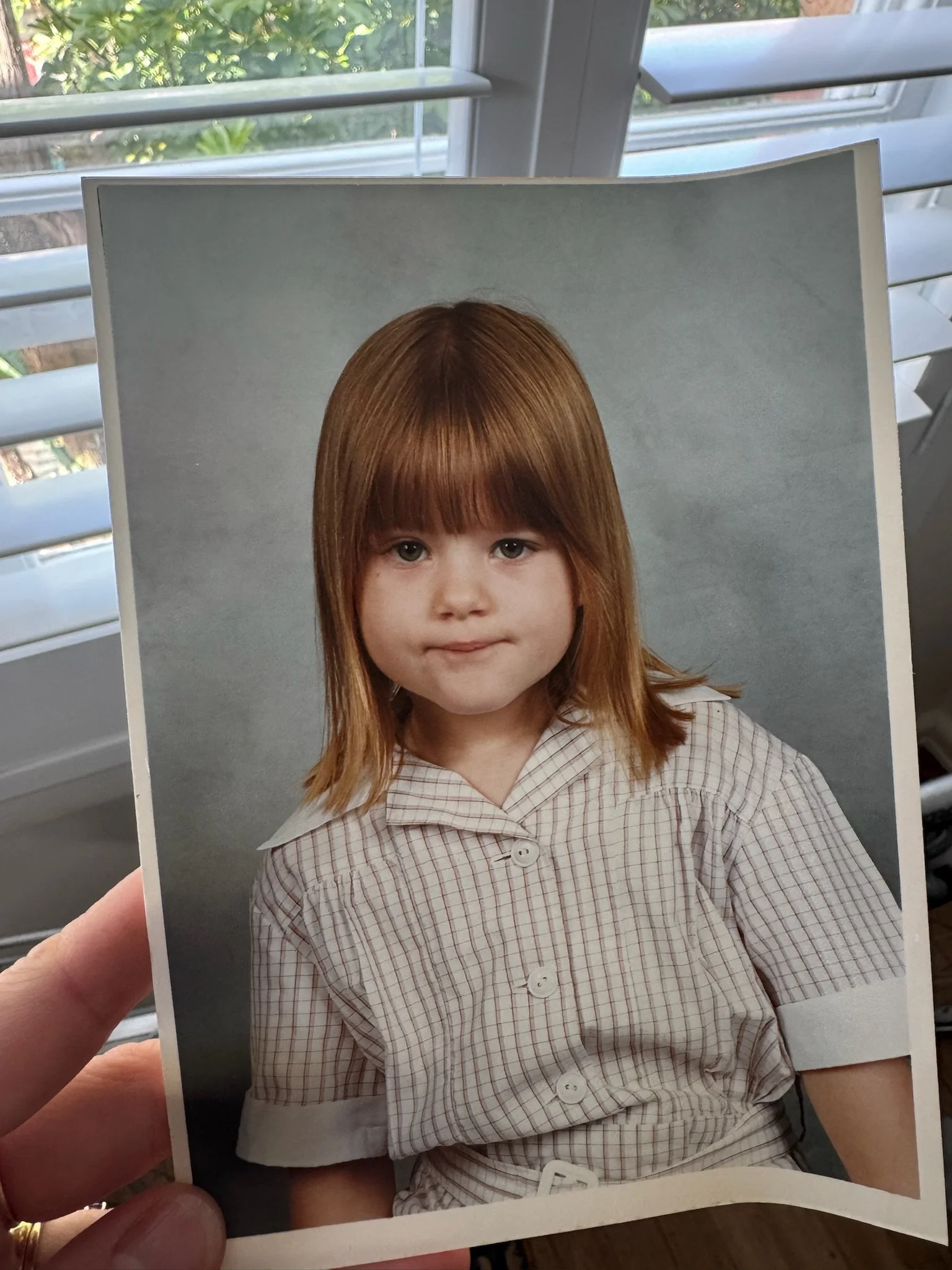
When I look at photos of my younger self now, I don’t see a little girl who needed to be smaller or different. I see a child who deserved to feel safe, accepted and enough exactly as she was.
I think that’s true for every child.
My hope is that fewer children grow up believing they have to shrink themselves, change themselves or question their worth just to belong.
For those of us who didn’t receive that message growing up, recovery offers something else.
Healing doesn’t erase the past, nor does it pretend those moments never happened. What it can do is help you begin seeing yourself through kinder, more compassionate eyes.
Little by little, recovery invites you to replace old beliefs with new ones that are grounded in truth rather than fear.
That takes time and courage.But you don’t have to do it alone.
Where to Find Support
If this blog has brought up difficult emotions, or if you or someone you know is struggling with bullying, body image concerns, an eating disorder, or their mental health, please know support is available.
You don’t have to wait until things feel unbearable before reaching out.
Support is available through organisations including: (hyperlink website)
Butterfly Foundation (1800 33 4673) – Support for eating disorders, body image concerns, and carers.
Eating Disorders Families Australia (1300 195 626) – Support and education for families and carers.
Eating Disorders Victoria (1300 550 236) – Information, education, and support services.
Headspace (1800 650 890) – Mental health support for young people.
Kids Helpline (1800 55 1800) – Free counselling and support for children and young people.
Beyond Blue (1300 22 4636) – Support for anxiety, depression, and emotional wellbeing.
Lifeline (13 11 14) – 24-hour crisis support and suicide prevention.
Seeking support is never a sign of weakness.
It’s one of the bravest steps you can take.
A Gentle Reminder
Someone else’s words may have shaped part of your story.
But they don’t get to decide how your story ends.
Recovery gives us the opportunity to question old beliefs, write new stories, and surround ourselves with people whose words help us grow rather than shrink.
If you’re carrying words that still hurt today, I hope you know there is another way forward.
There is support.
There is healing.
And there is every possibility of building a relationship with yourself that isn’t defined by what someone else once said about you.
With love,

Found this useful? Share it forward.
Want to chat about it?
Slide into our DMs on Instagram and tell us what hit home for you, we love hearing your takeaways.
Need support that gets it?
Book a free clarity call to see how coaching might meet you where you’re at.
Let’s stay connected!
Subscribe to our newsletter to get all the recovery tips, music, book recommendations, and everything we’re loving, learning, and leaning on lately.